
Making the world work for 100% of humanity
Fuller Futures Festival 2026
April 22–26, 2026
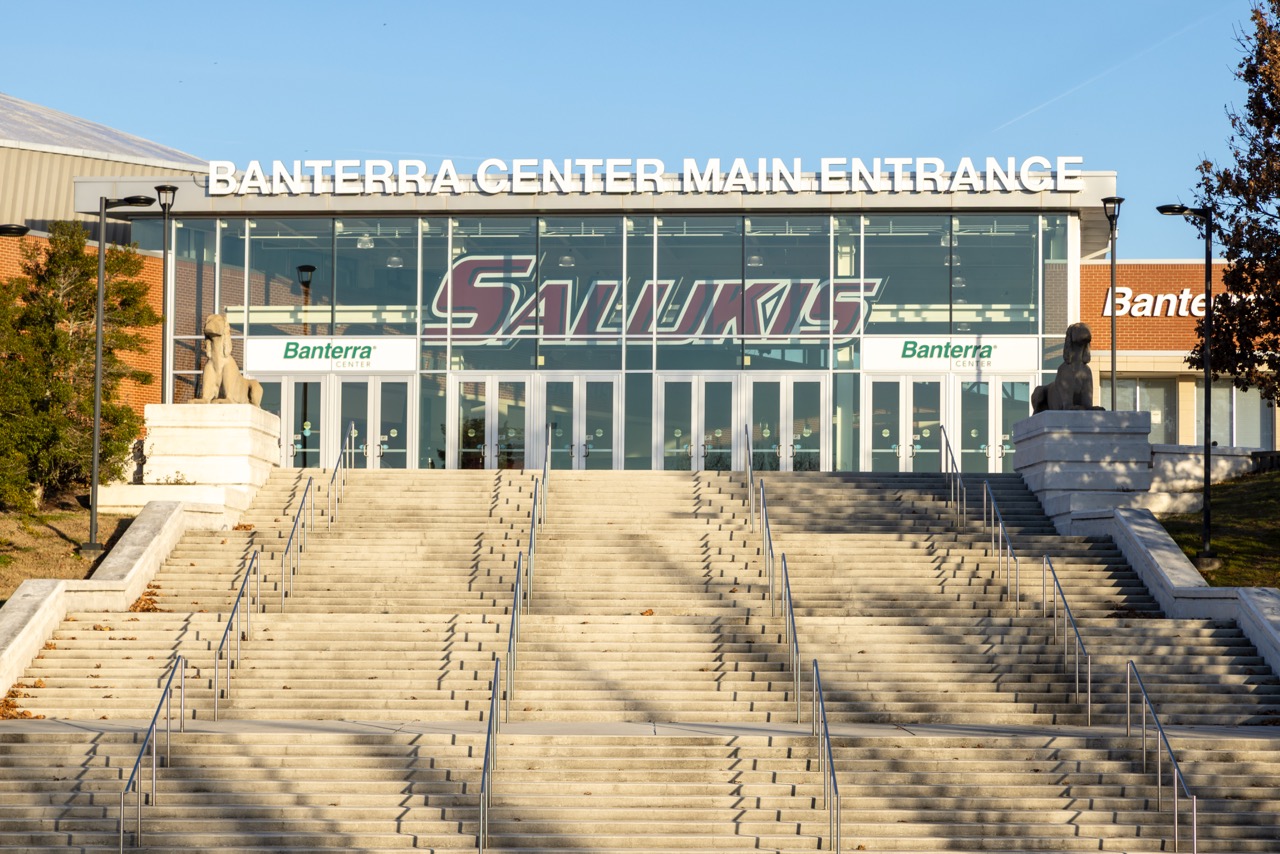
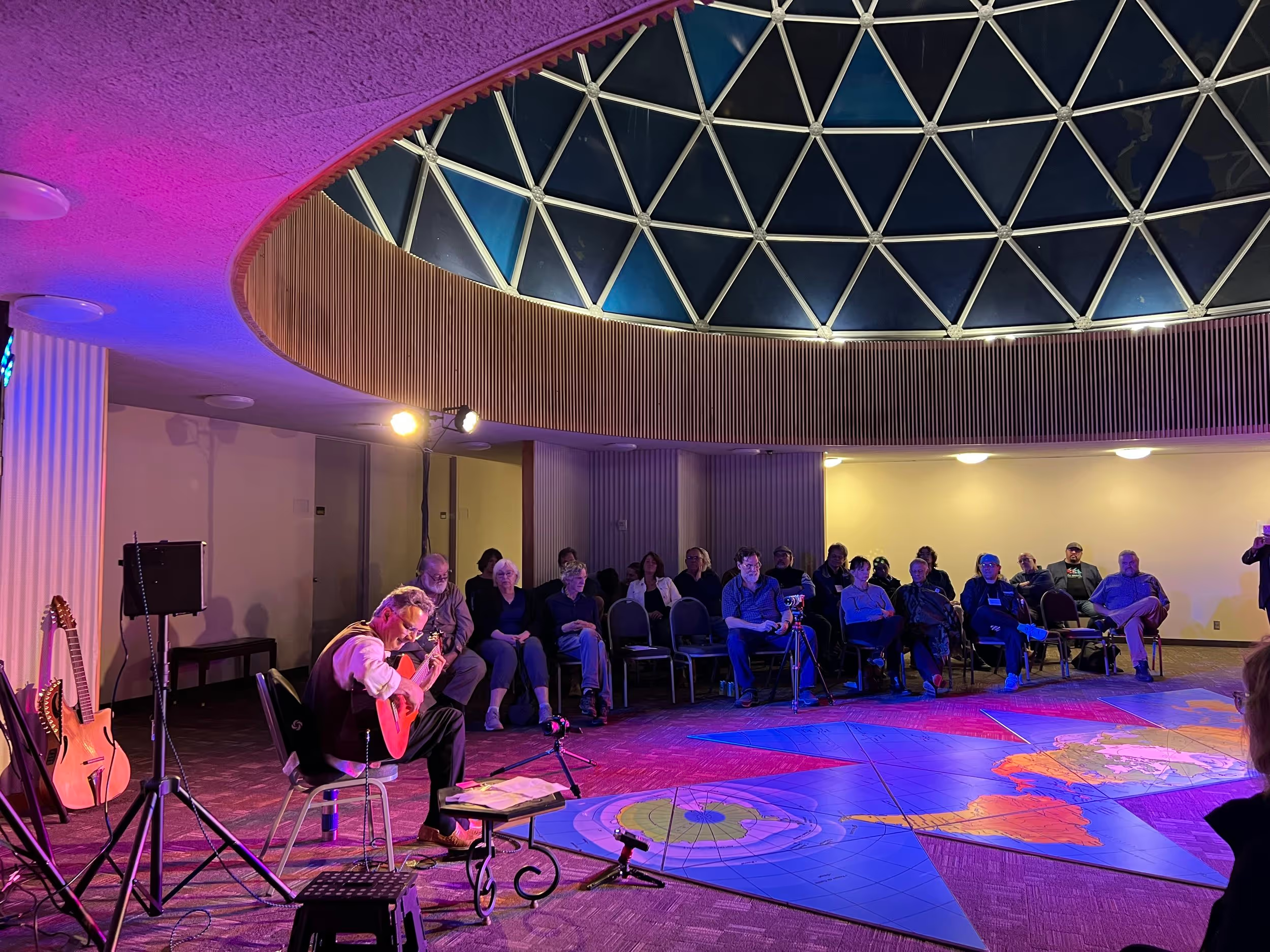
SIU Carbondale & Fuller Dome Home Museum
Call for Trimtabs
Join Fuller Futures 2026 at SIU Carbondale. A global call for proposals re-igniting Buckminster Fuller’s World Game. We welcome ideas that unite art, science, and design to shape a sustainable future. Submit your proposal and be part of the convergence.



.png)






Buckminster Fuller at SIU: Why Here?
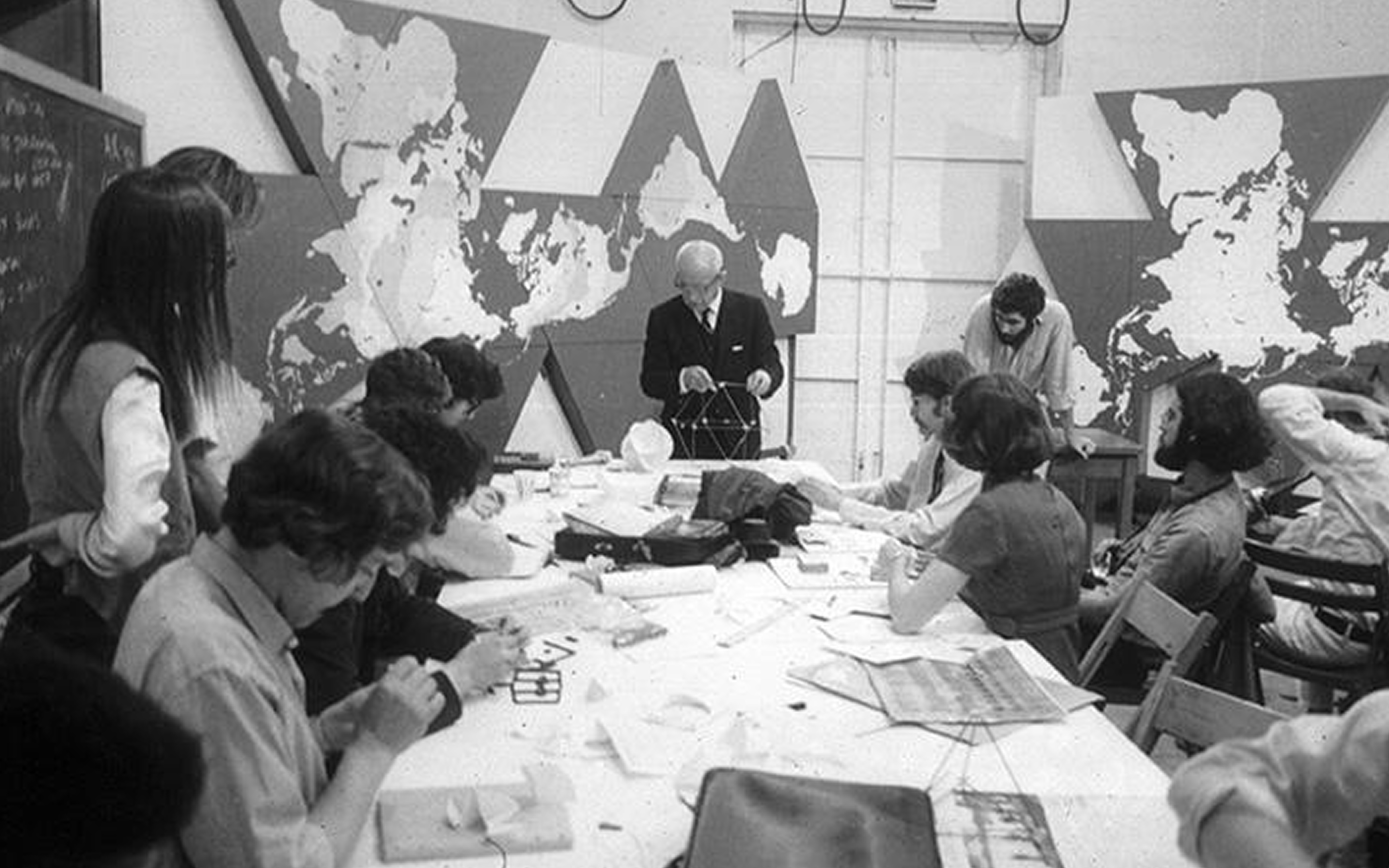
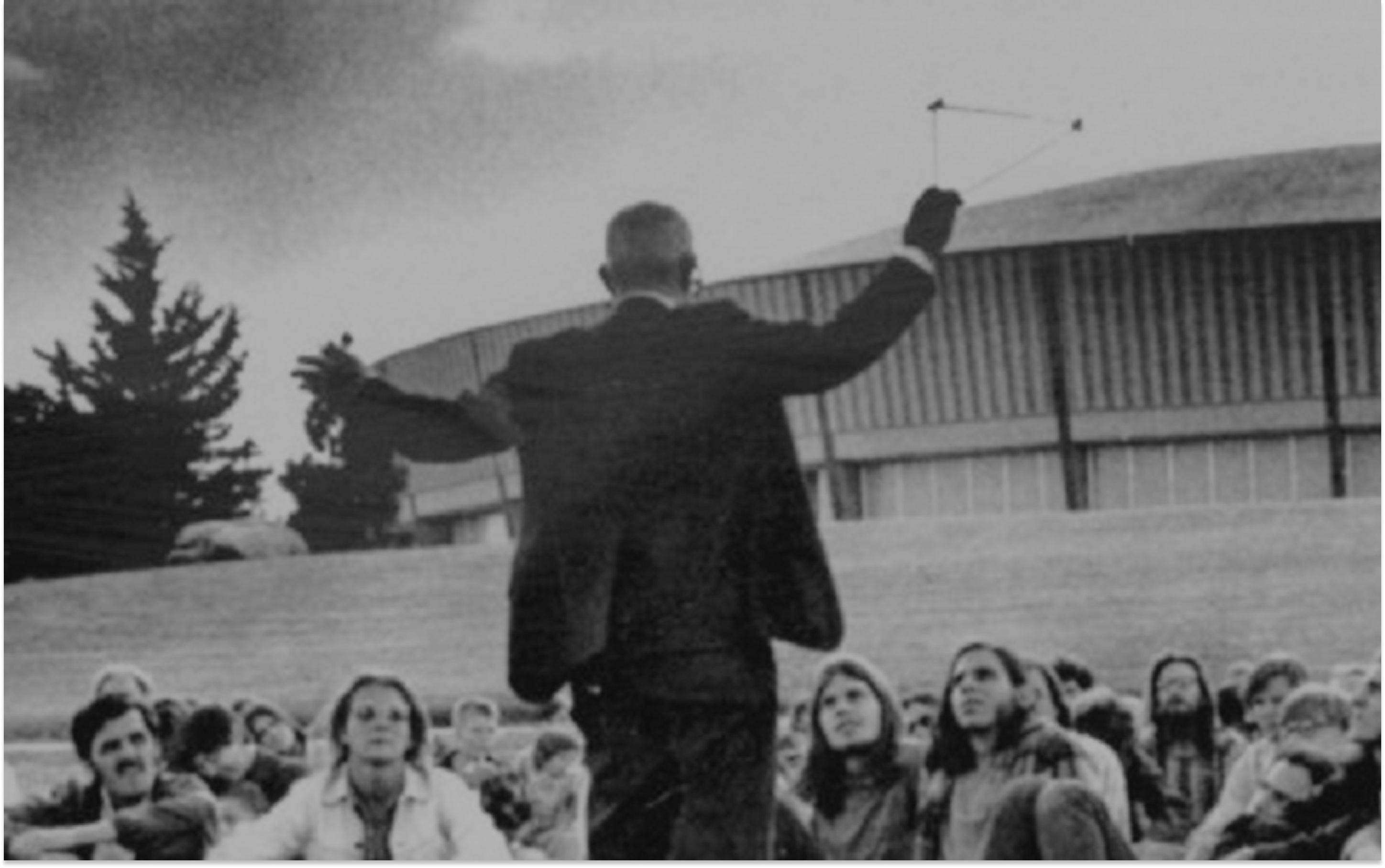
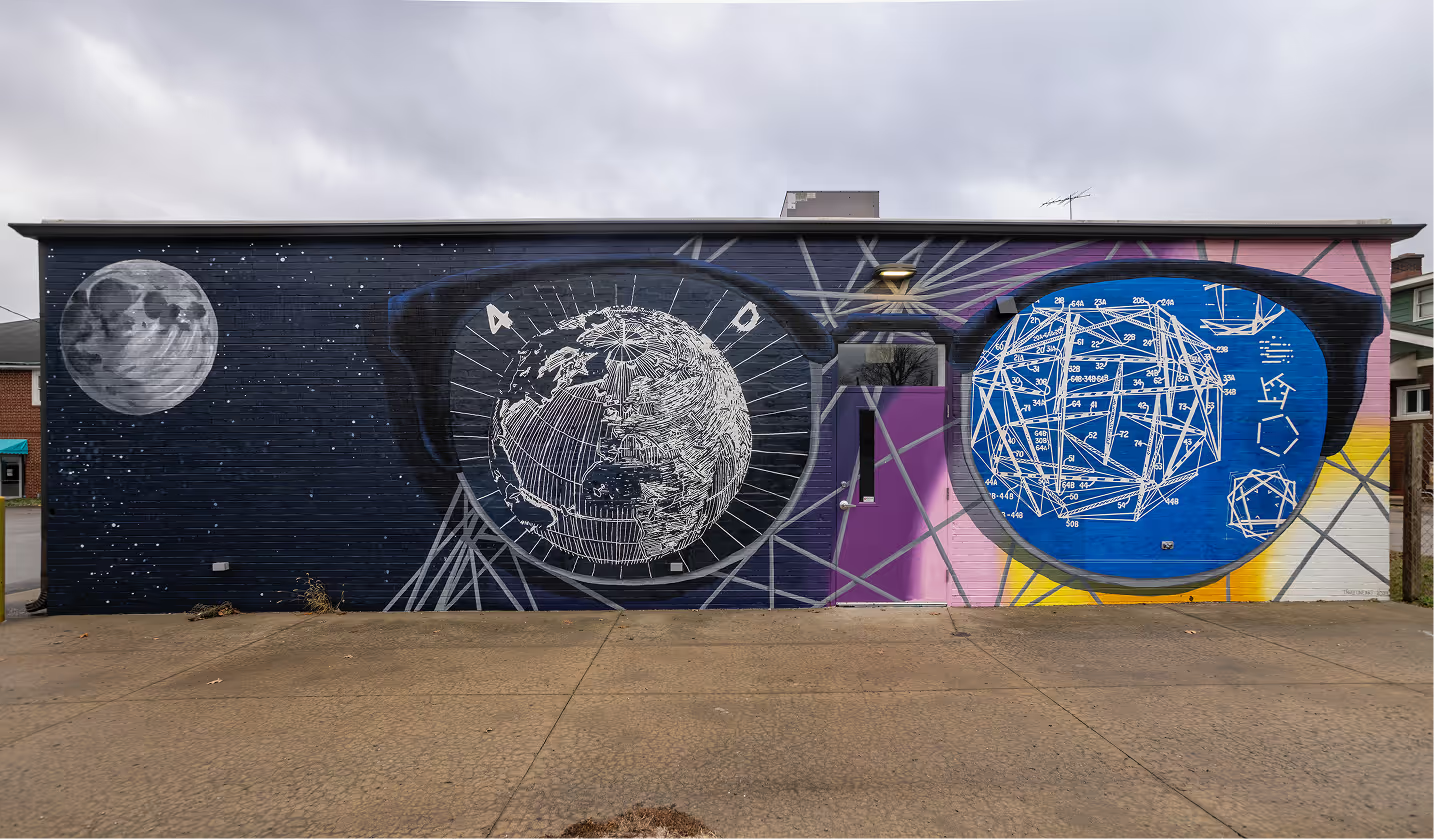
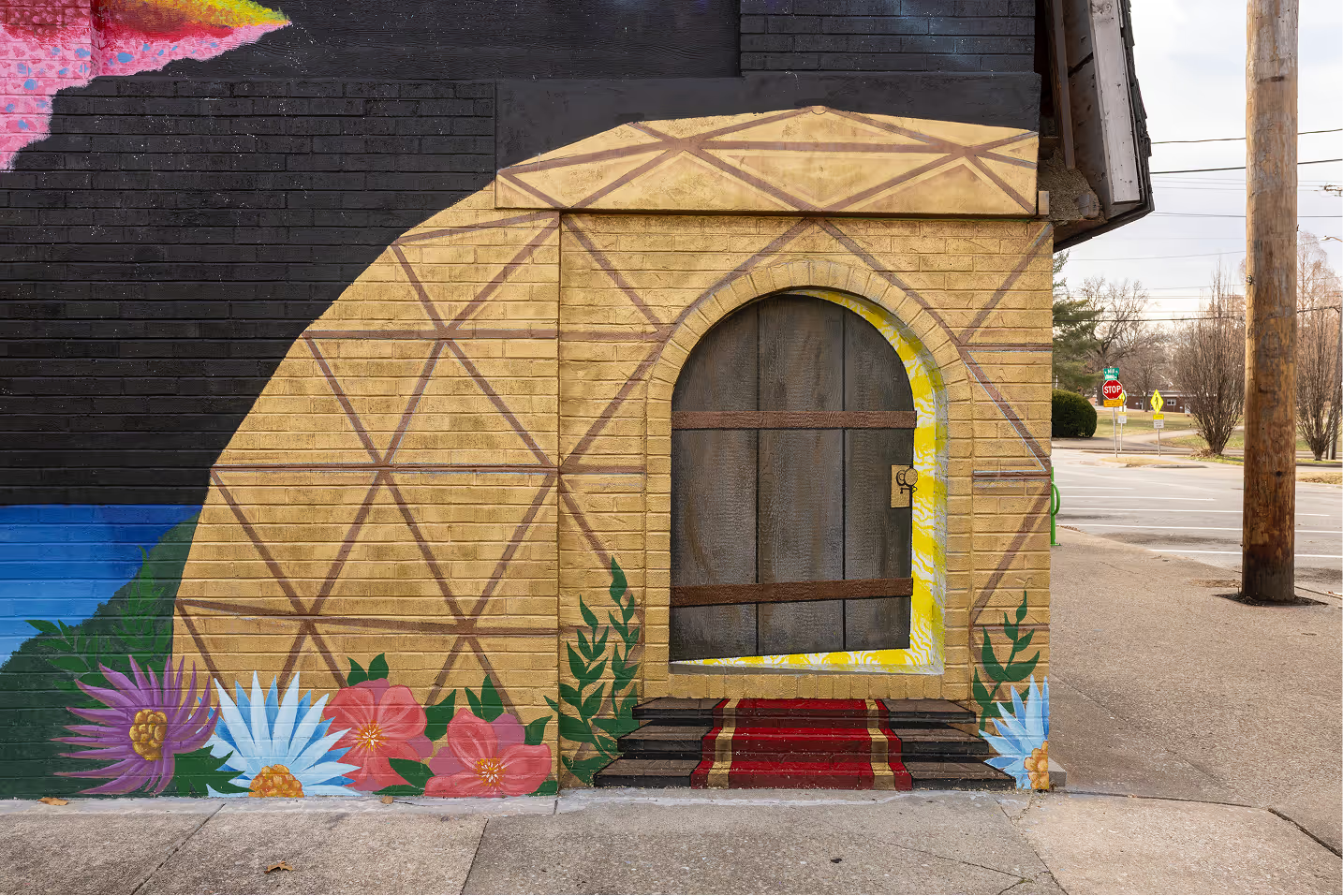
From 1959 to 1971, Fuller served as a distinguished professor in the Art and Design department at Southern Illinois University, a period during which he produced some of his most significant work. While residing in his geodesic dome home in Carbondale, the only home he ever owned, Fuller published extensively, secured numerous patents, and gained international recognition, including appearing on the cover of Time magazine.
Where Fuller's vision took root
It was during his time at SIU that Fuller launched the World Design Science Decade and developed the World Game, conceived as an alternative to war games and a tool for understanding global systems. While teaching, he also continued work that resonated around the world: in 1967 he designed the United States pavilion for the Montreal World’s Fair, a striking geodesic dome now known as the Montreal Biosphère.

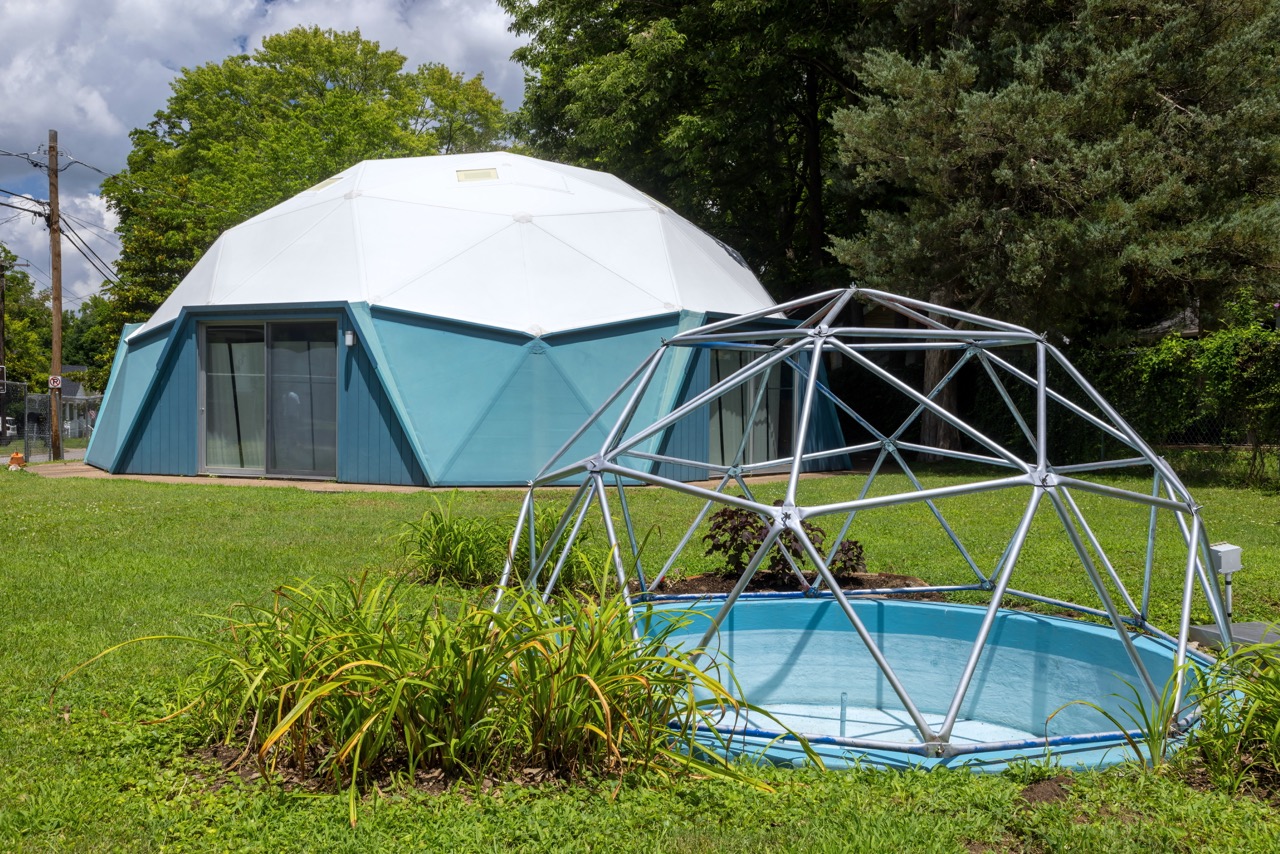
Fuller’s work at SIU was collaborative and influential. He engaged with students and colleagues across disciplines, shaping ideas that continue to inform design science, sustainability, and systems thinking today.
Hosting the Fuller Futures Festival at SIU is not symbolic. It is a return to the place where Fuller’s vision moved from theory into lived practice, where design, education, and optimism converged, and where the question “How do we make the world work for 100% of humanity?” became a daily pursuit
Learn More
Multiple ways to contribute to the conversation

Convergence of sustainability, innovation, and design science

Accepted Formats
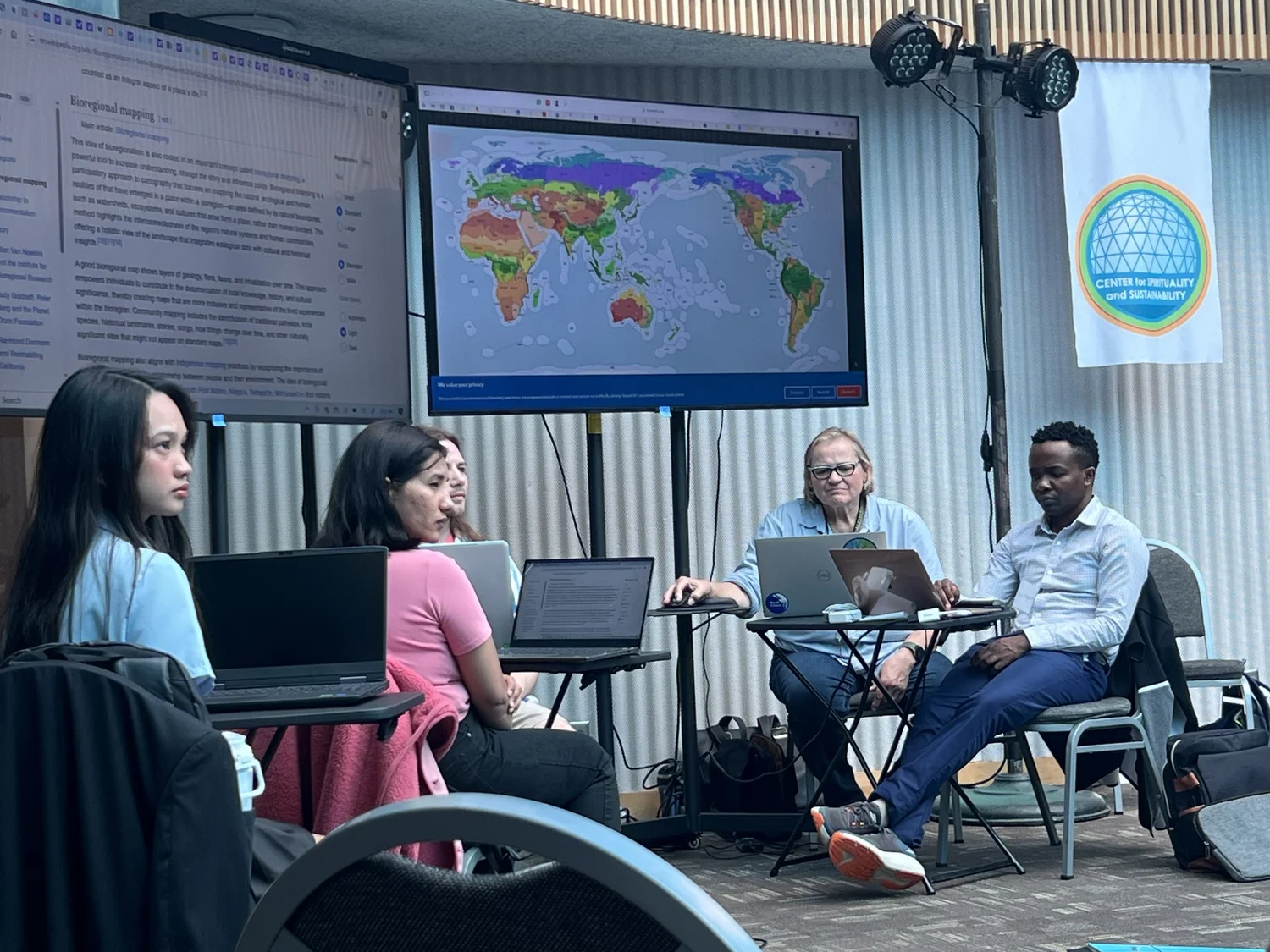
Workshops, performances, papers, short presentations, posters, panels, installations, design challenges, interactive labs



Guiding Questions
How can imagination and systems design merge to serve 100% of humanity?
What does collaboration look like when art and science truly converge?
How might Fuller’s design principles inform our collective future?
Join the Convergence
Have questions, ideas, or need more information? Contact us and a member of our team will follow up with you.
Don’t Miss Out

Submissions for presentation proposals are now closed. We welcome all speakers to the event.