World Game
Fuller Futures Festival 2026
April 22–26, 2026
SIU Carbondale & Fuller Dome Home Museum
Call for Trimtabs
Making the world work for 100% of humanity through design science and collaborative problem solving
Fuller's Vision For Global Design
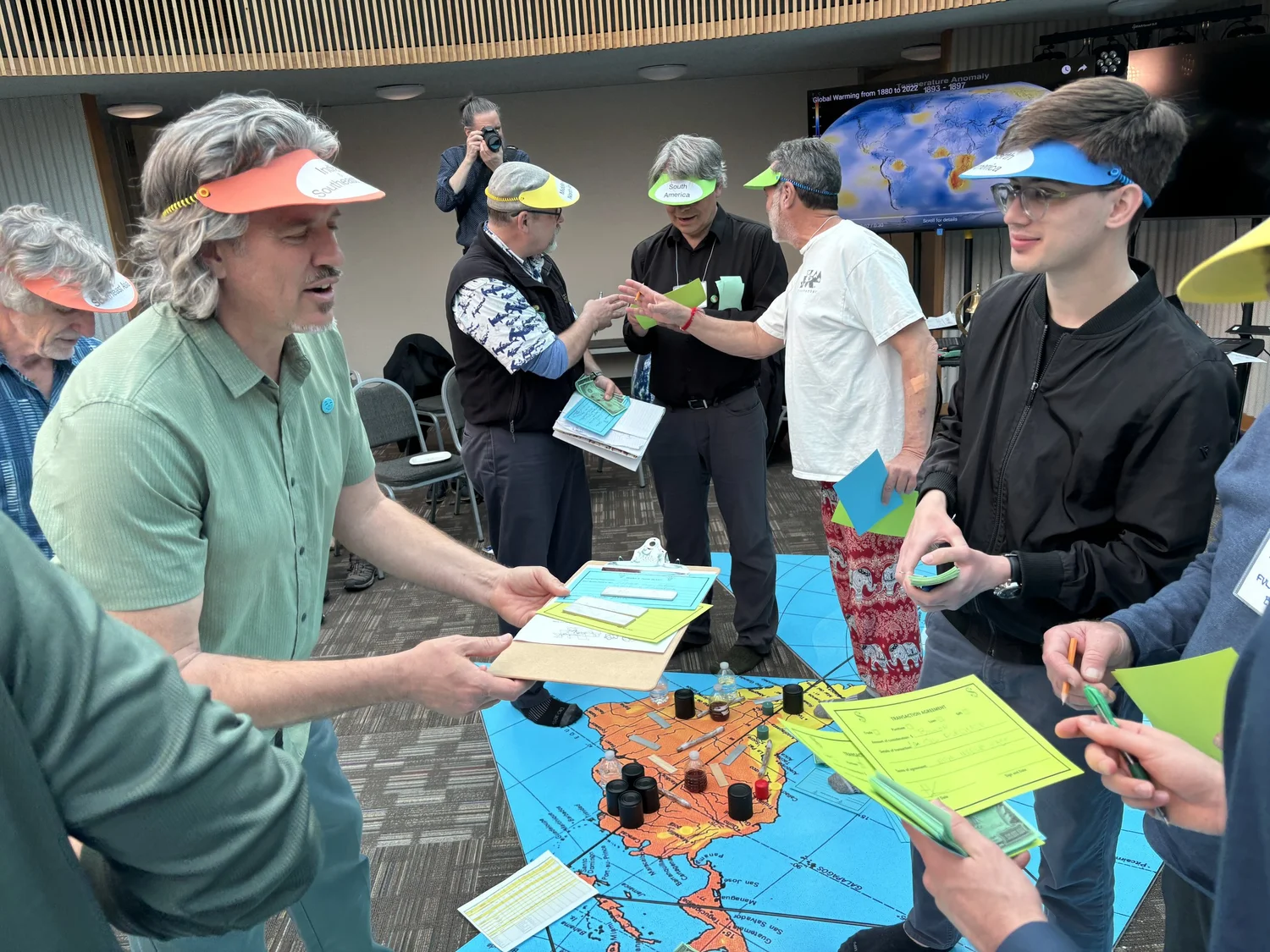
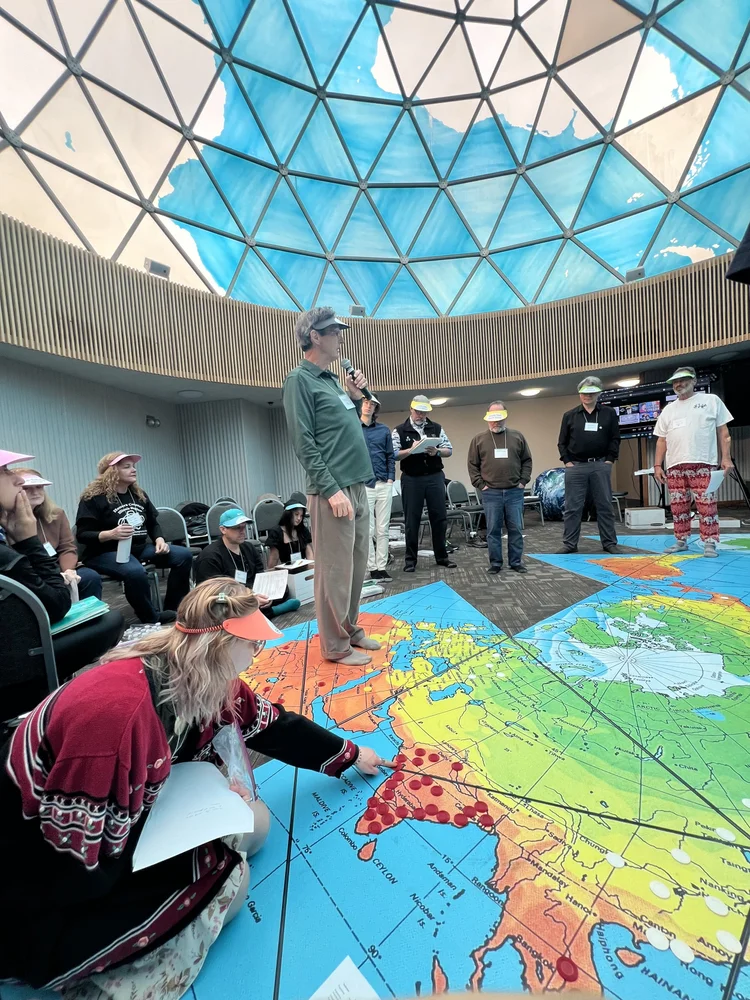
Buckminster Fuller created the World Game in 1961 as a tool for understanding humanity's greatest challenges. He believed that with the right information and collaborative thinking, we could solve problems once thought impossible.
A game without winners
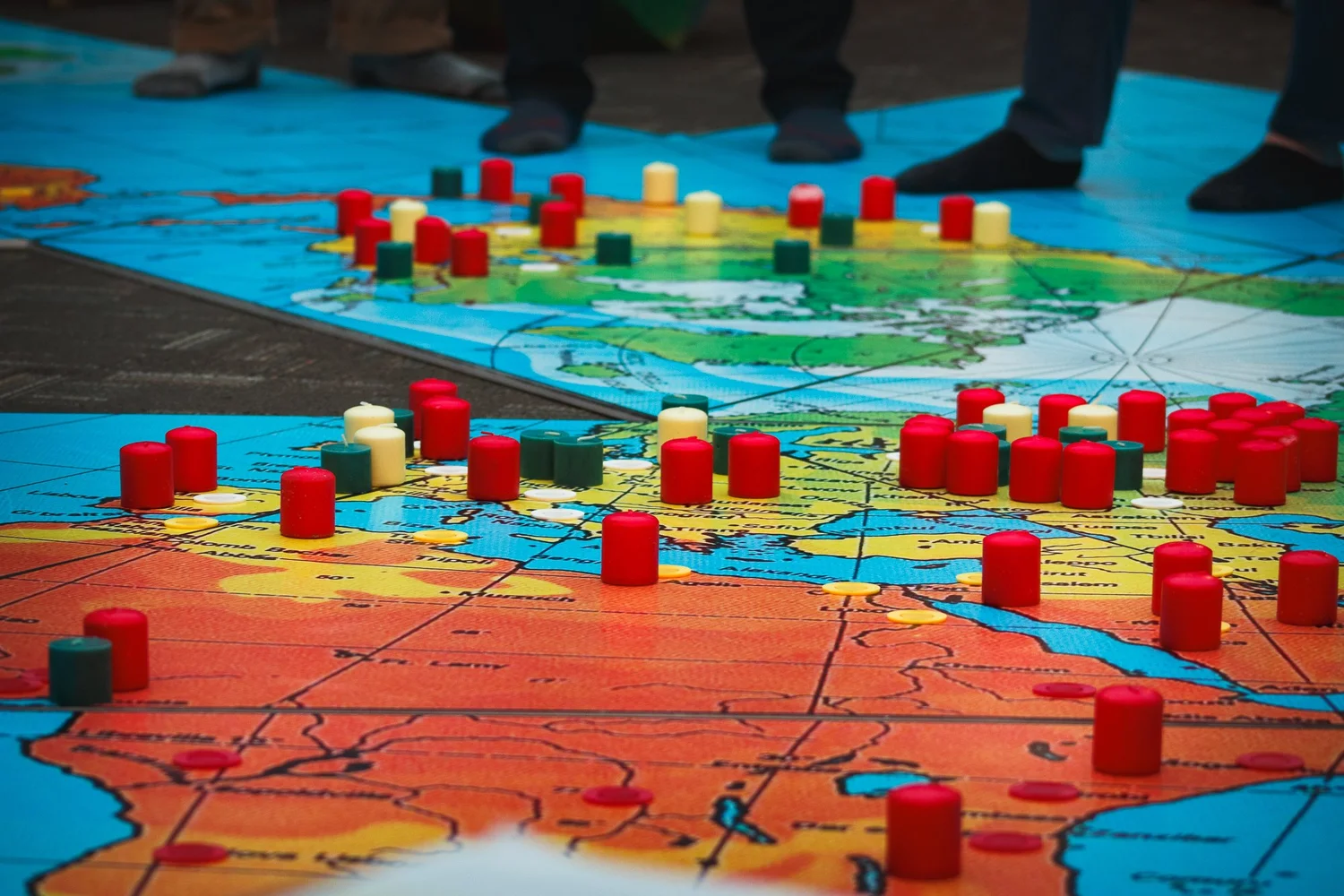
The World Game operates on a principle that contradicts traditional competition. Everyone wins when humanity wins, and the simulation reveals how our choices ripple across the globe.
Systems thinking in action
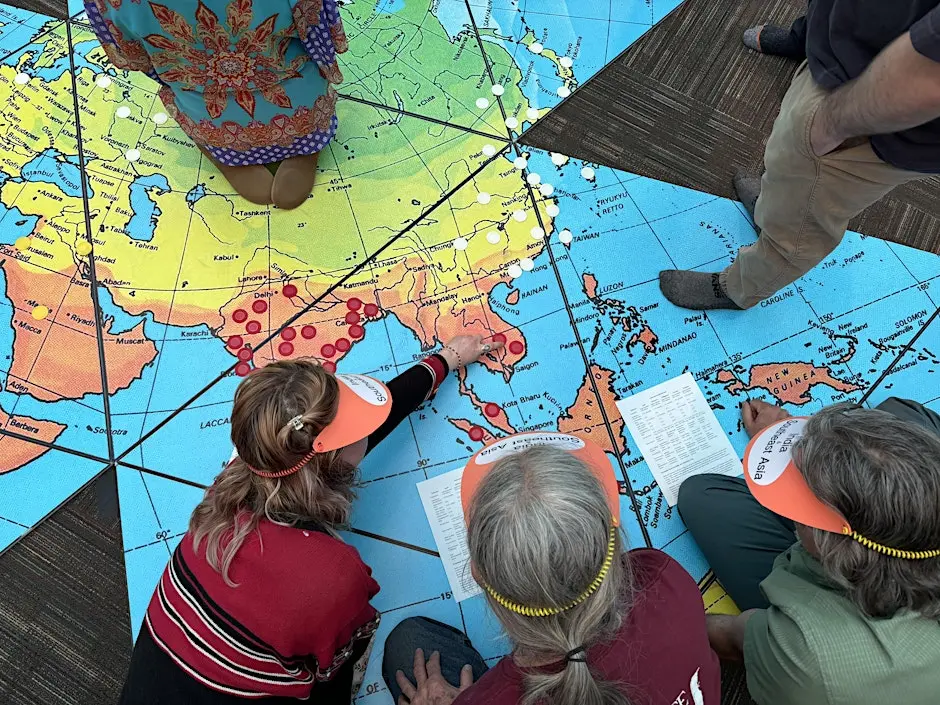
Players encounter the interconnected nature of resources, economics, and human need. What seems like a local decision carries global consequences, teaching participants how the world actually works.
Design science as method
Fuller's approach combined rigorous data with creative imagination. The World Game demonstrates that solving for all of humanity requires both scientific precision and bold thinking.
The Festival Returns Home
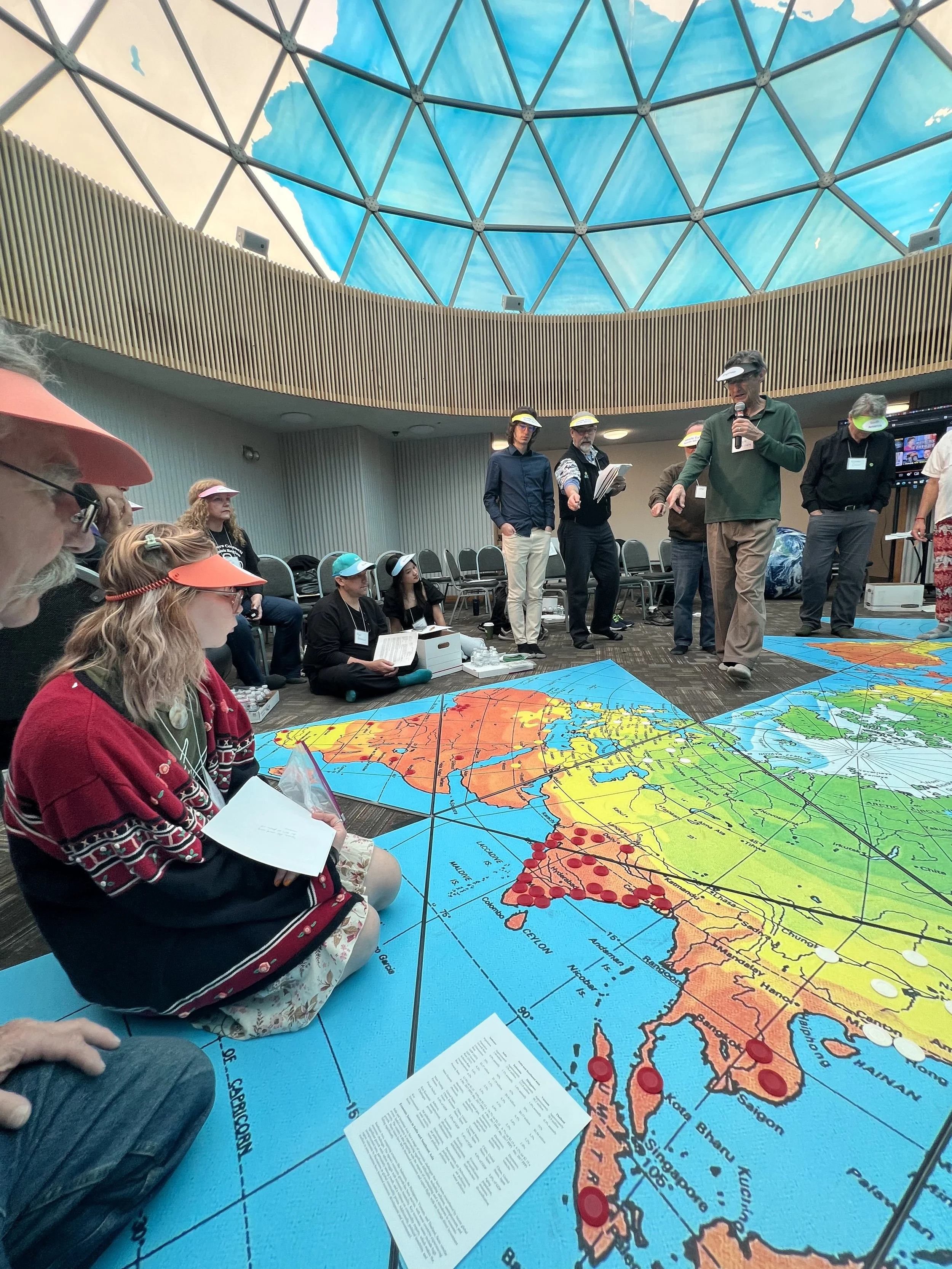
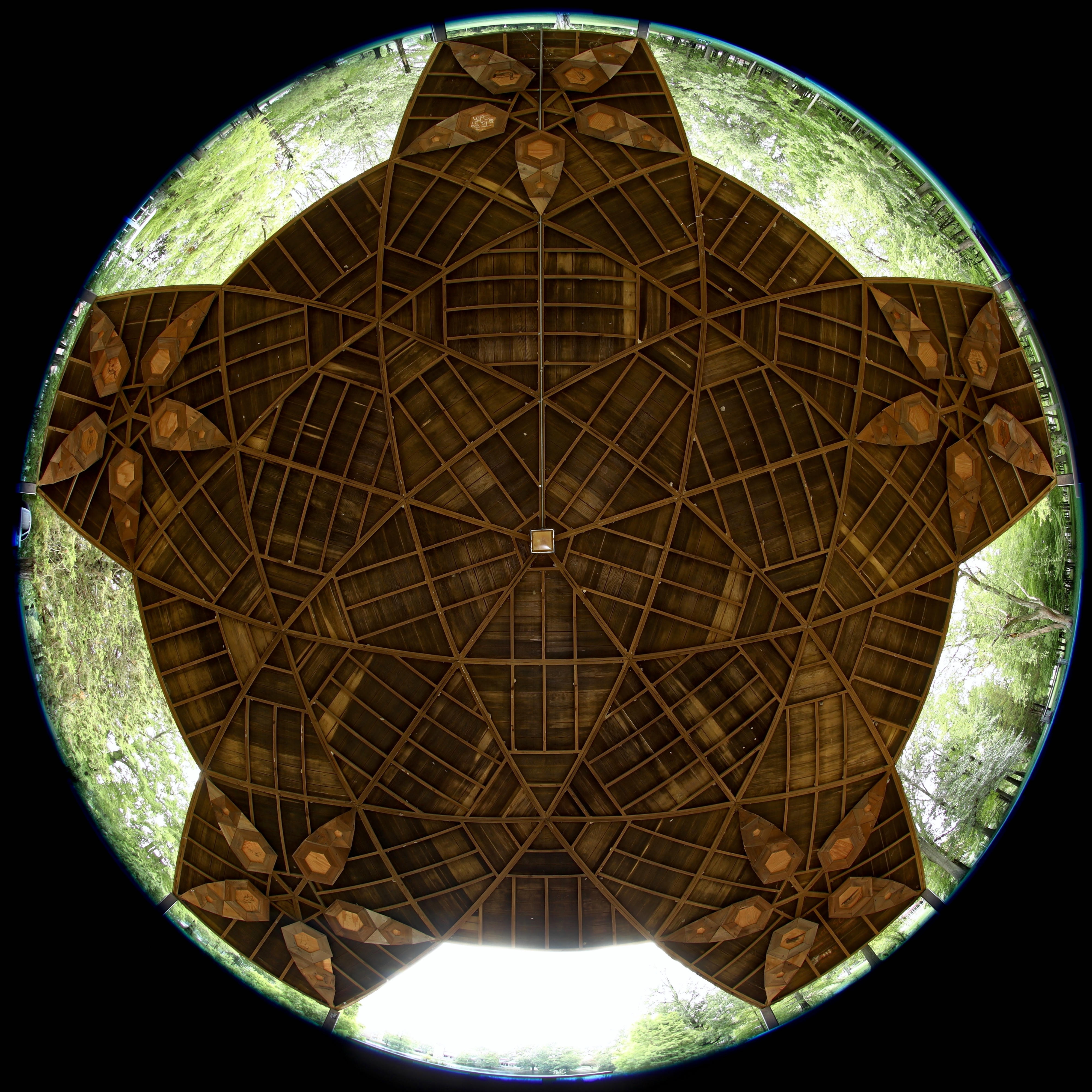
Southern Illinois University Carbondale hosted Fuller from 1959 to 1971, years when his most transformative work took shape. We're bringing the World Game back to where it was nurtured.
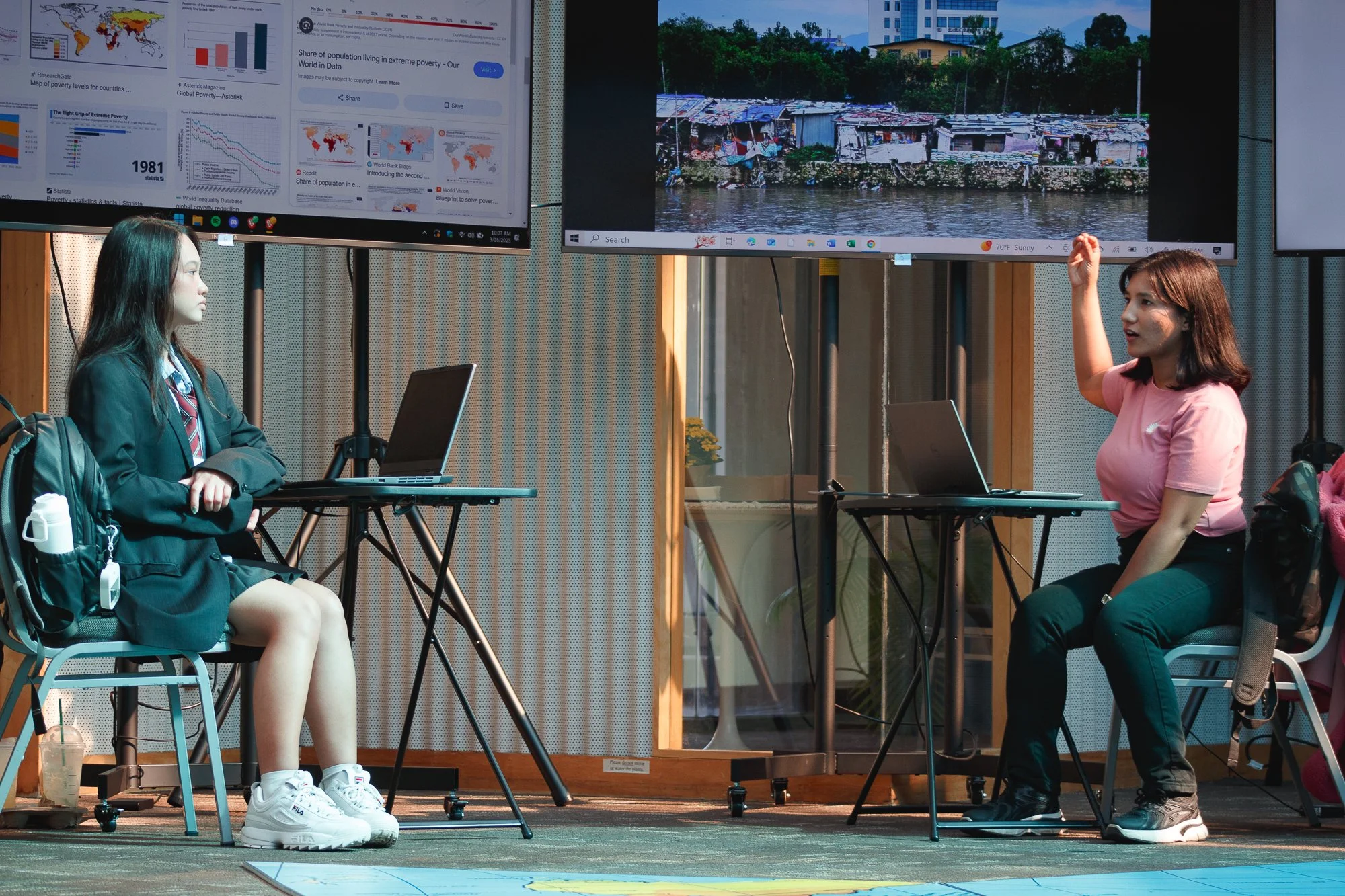
Three Ways To Engage With The Game
Whether you're a first-time player or someone who's studied Fuller's work for years, there's a role for you. Choose the level of involvement that fits your schedule and interests.
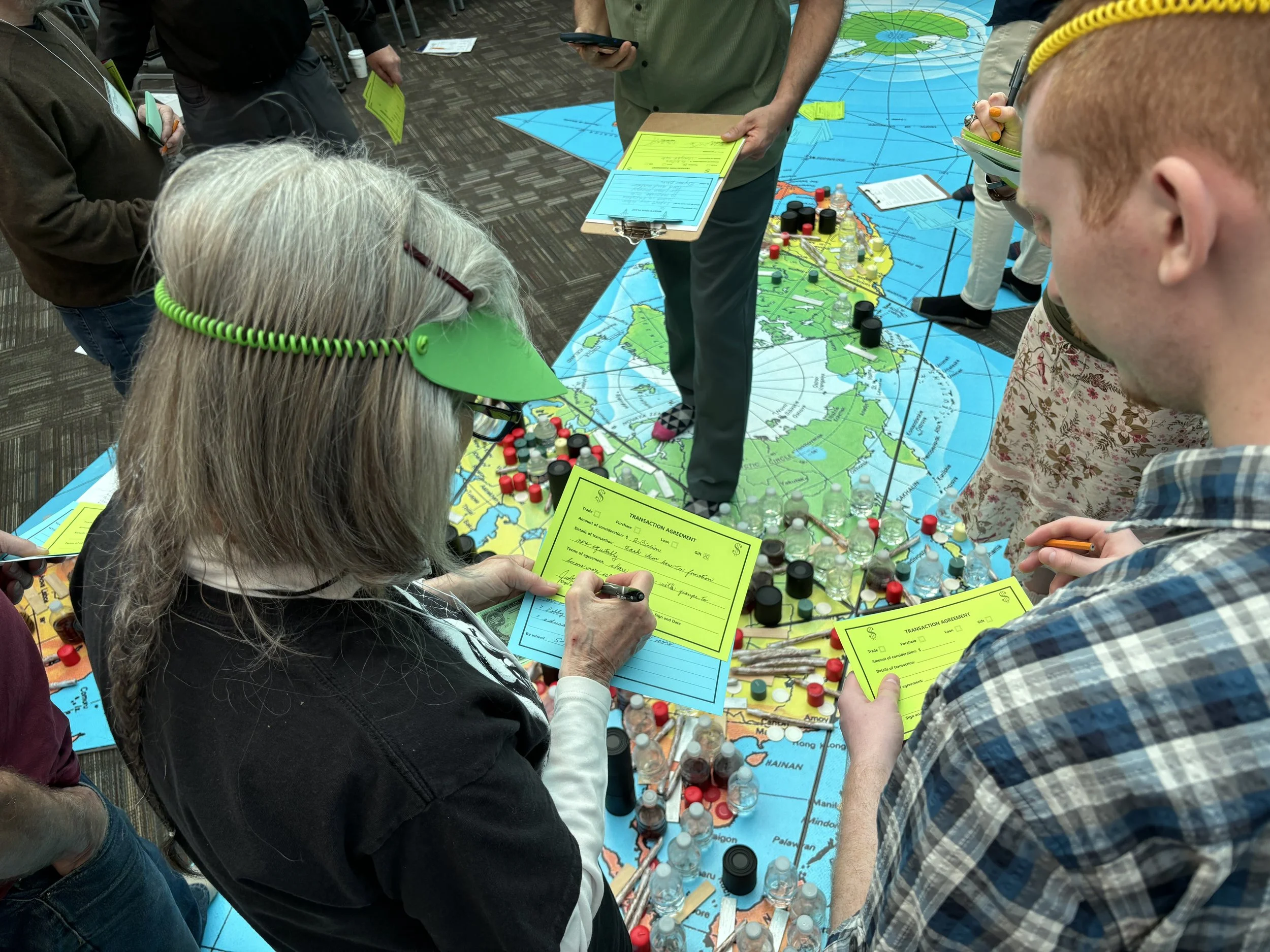
Join The Game








Learn systems thinking
The World Game teaches you to see connections others miss. You'll understand how decisions in one sector ripple through the entire global system.
Build lasting networks
You'll work alongside artists, scientists, designers, and educators from around the world. These collaborations often extend far beyond the festival.
Create real-world impact
The solutions generated during the festival inform actual projects and initiatives. Your thinking becomes part of the work to make the world work for everyone.
Questions
Everything you need to know about participating
Fuller's World Game is a collaborative design simulation that brings together diverse minds to solve real-world problems. Players work in teams to allocate global resources and address critical challenges facing humanity. It remains one of the most powerful tools for systems thinking and creative problem-solving ever developed.
Artists, designers, educators, scientists, and thinkers of all backgrounds are welcome. You don't need prior experience with the World Game or expertise in any particular field. What matters is your willingness to engage seriously with complex problems and collaborate with others.
Sessions vary in length depending on the format and depth of play. Most World Game experiences at the festival run between two and six hours. You can participate in multiple sessions throughout the festival if you wish.
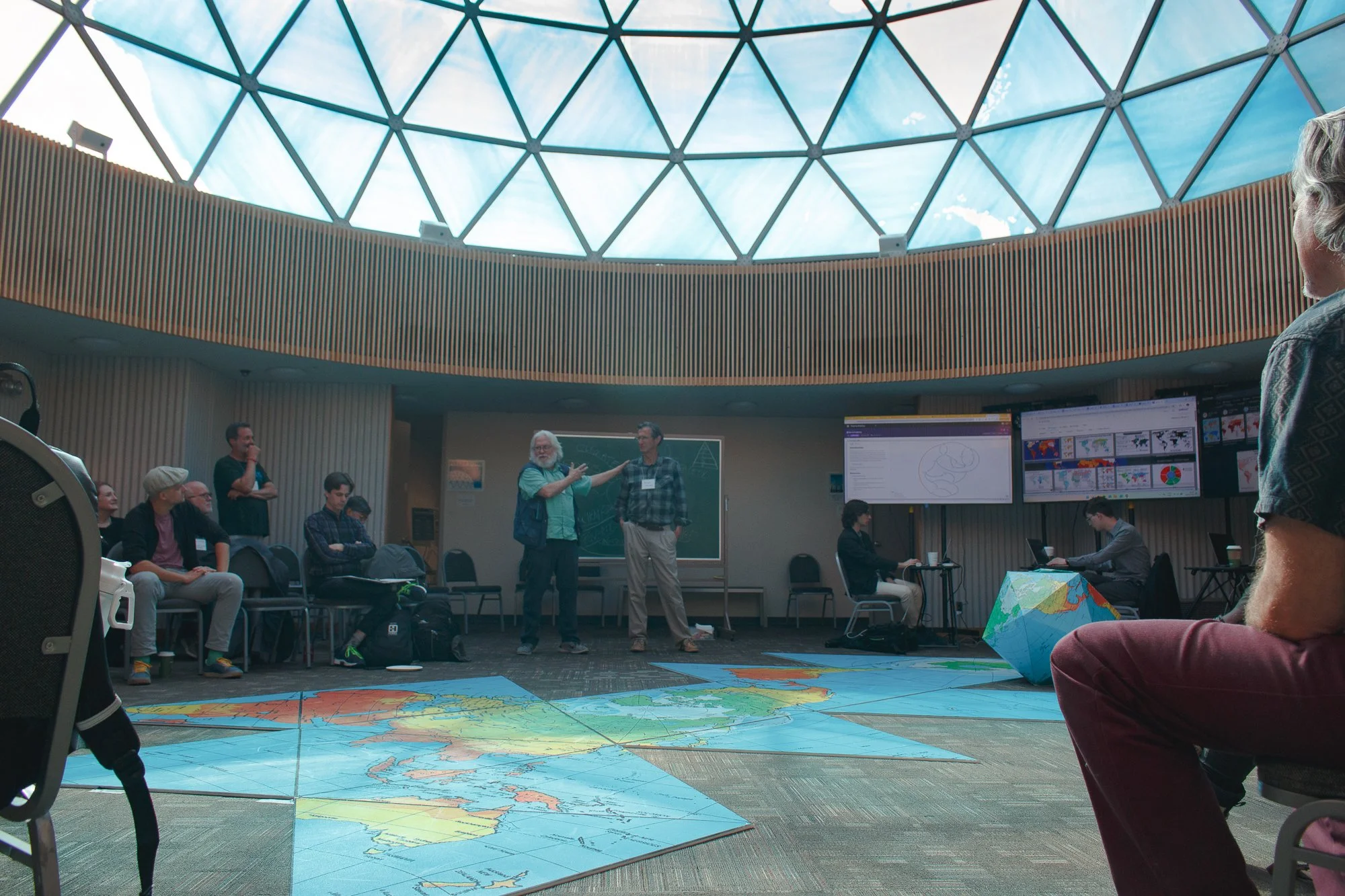
The SIM Center is where the World Game comes alive with advanced visualization and data tools. Players use interactive technology to model scenarios and see the real-time consequences of their decisions. It's where theory meets practice and imagination meets evidence.
No special preparation is required. We'll provide all the context and guidance you need when you arrive. Come with an open mind and a willingness to think differently about the world's challenges.
You'll gain insight into systems thinking, global resource distribution, and design science principles. More importantly, you'll experience firsthand how collaboration and creative thinking can generate solutions to seemingly impossible problems. The lessons extend far beyond the game itself.
Visual archive
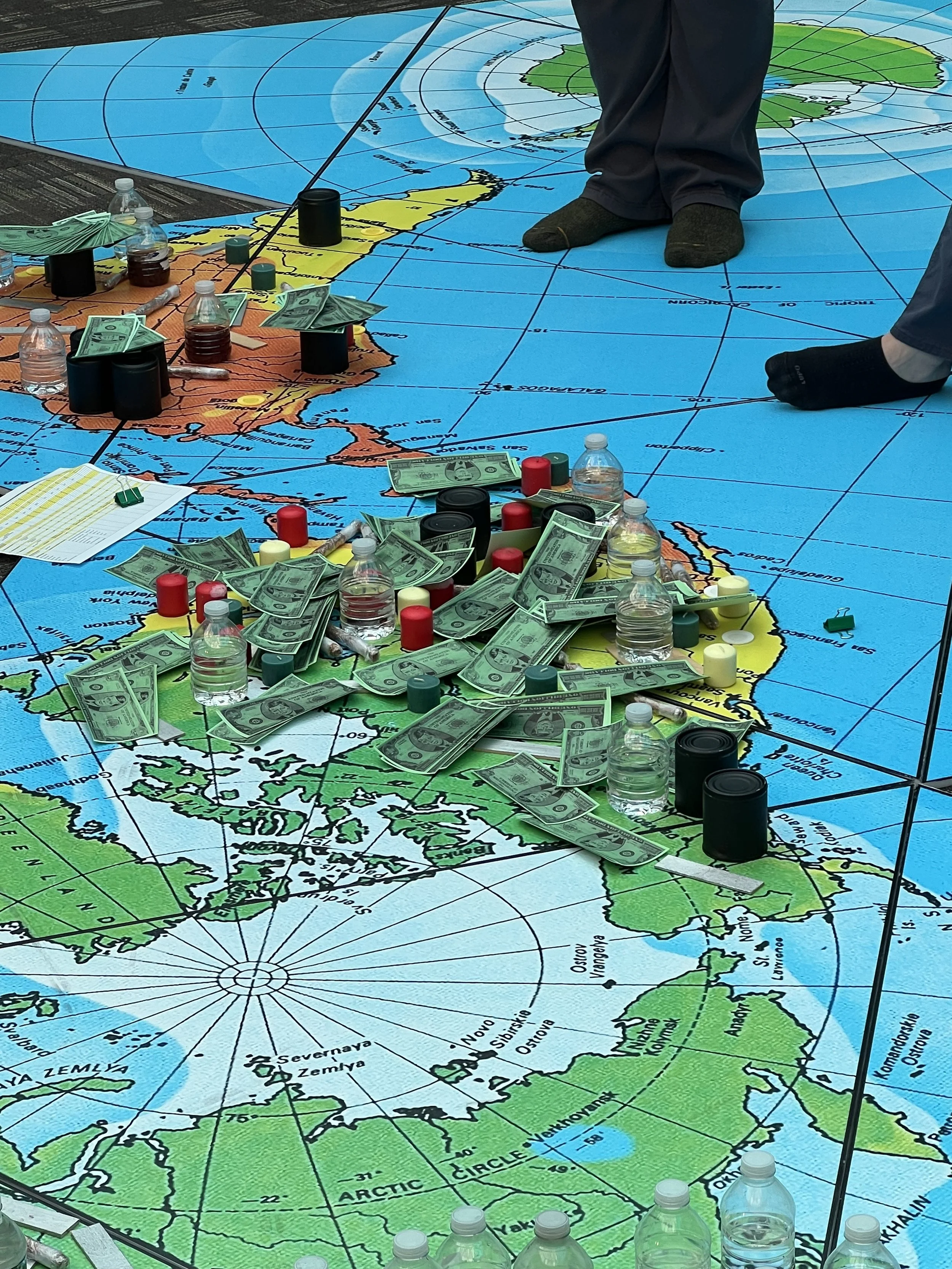
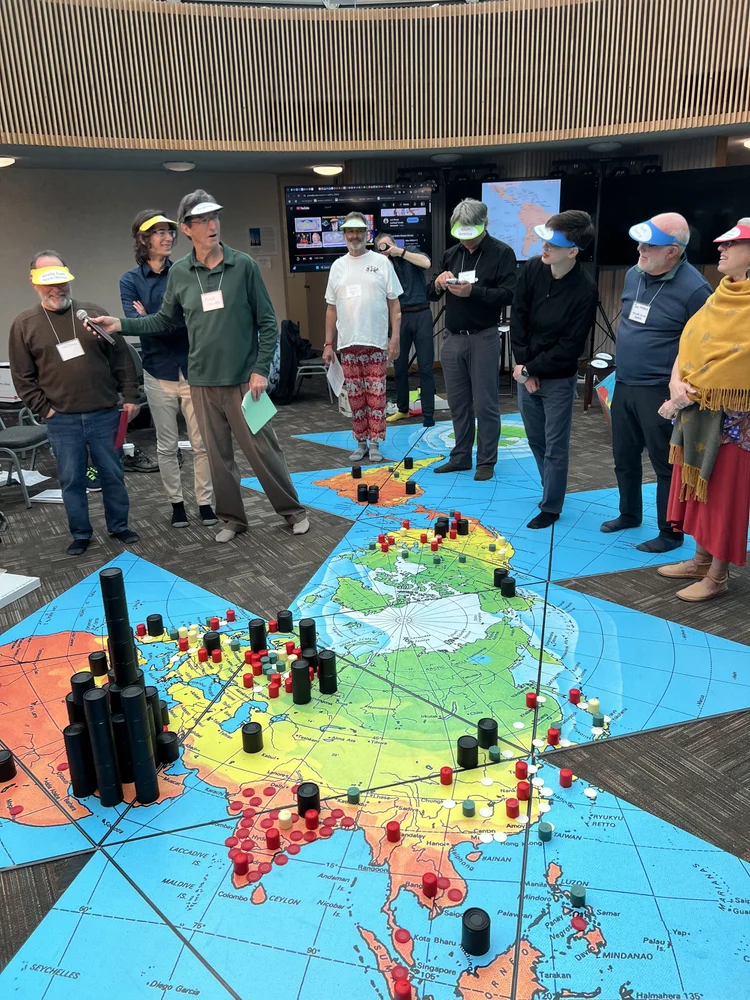
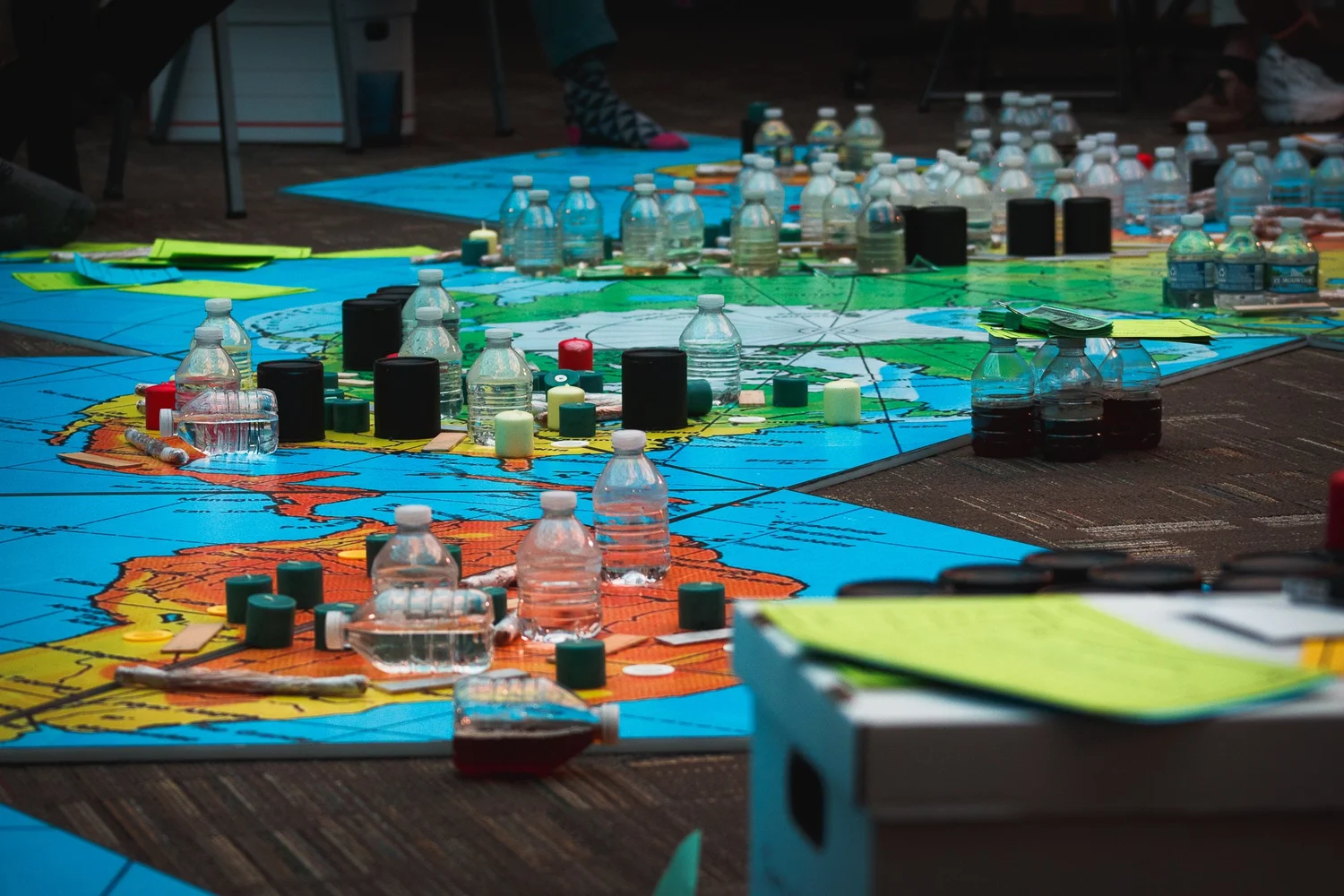
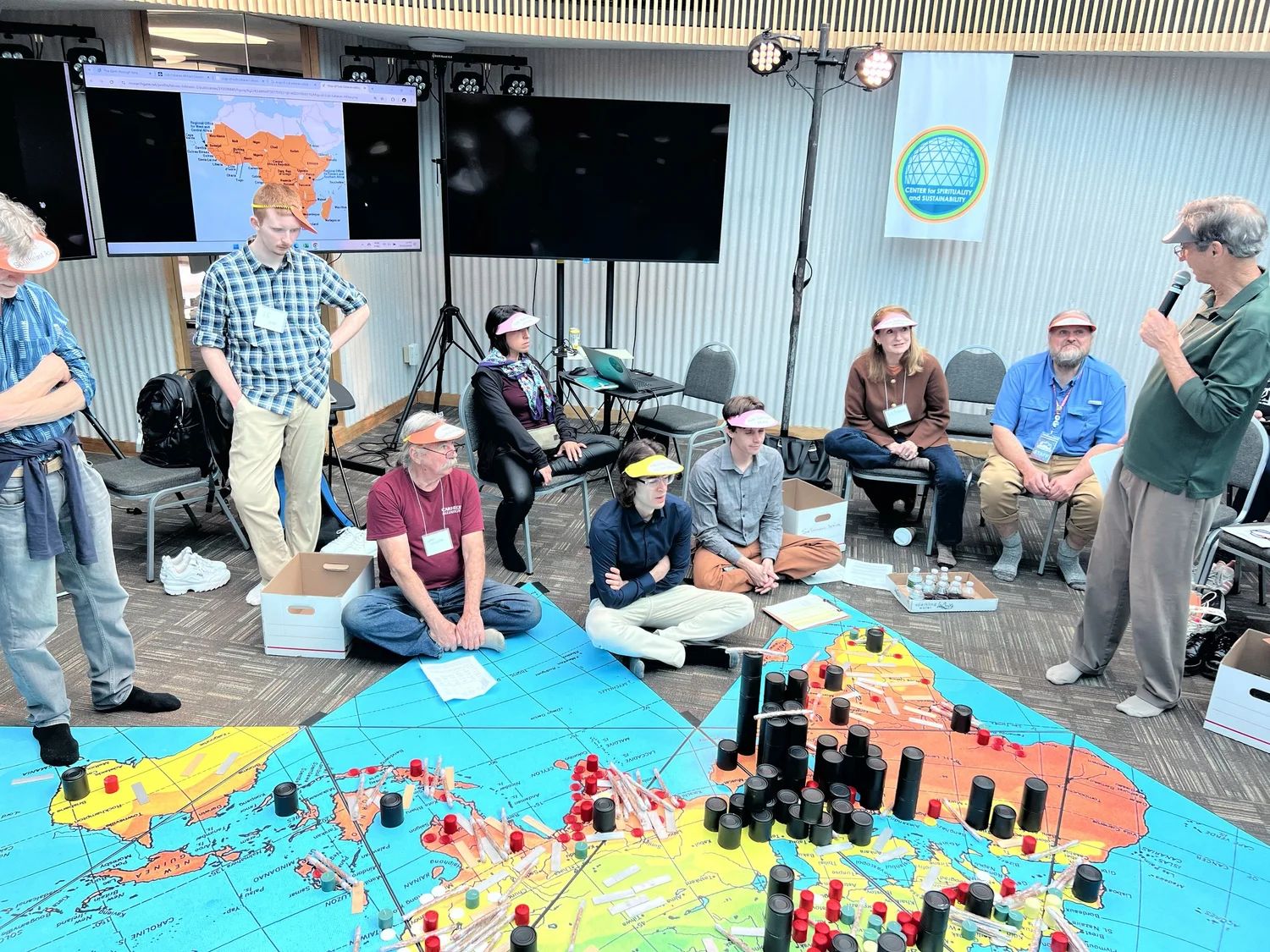
Moments from past World Game sessions